 800-861-9372

There is a major debate as to whether addiction should be considered a disease or not. Those who believe it is a disease believe that it happens in the brain and should be treated like any other chronic condition.
The Theory of Addiction as a Disease
Get Help Now 800-934-1582
 Sponsored
Sponsored
The nature of drug addiction is a topic of much debate and controversy. Many people believe that drug misuse is a disorder much like diabetes and high blood pressure. Others believe that it’s just a state of mind. The prevailing theory is that addiction is in fact a disease.
To understand the theory of addiction being a disease, let’s go over the basics of addiction. This includes what addiction is and how it relates to disease theory, any issues with the disease model, and the competing alternatives and what they mean.
For help finding treatment for addiction call 800-934-1582(Sponsored) toll free anytime.
What is Addiction?
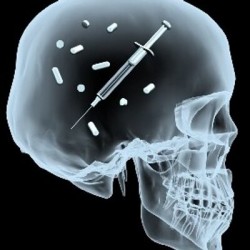
If addiction is a disease it should be treated as such.
According to the National Institute on Drug Abuse, addiction is a persistent relapsing brain disorder similar to many other chronic conditions. It causes compulsive drug seeking behavior despite emotional, physical and financial consequences from doing so. Many psychologists believe that there are two reasons why people start taking a drug.
The first reason is obvious. The addiction starts by a user wanting to get a high. The euphoria, calm state of mind, and peace that many drugs give are extremely attractive to users. This attraction grows into an addiction when the same amount of the drug doesn’t produce the same high.
The other reason is a bit more complex. The addiction starts when a doctor uses a narcotic to treat a medical illness, such as pain or depression. The user takes the drug as prescribe at first but then develops a tolerance. The tolerance requires more of the drug to get that same relief.
If a doctor doesn’t handle the tolerance by prescribing more of the medication or by changing medications to something else, the user tends to use drug-seeking behavior to keep from going into withdrawal or want more of the drug to keep a condition such as chronic pain or anxiety at bay.
Behavioral Addictions
Behavioral addiction is a bit more complex. Scientists don’t really understand why certain behaviors, actions, or tasks become addictive. Most of them give the actor some form of pleasure or rush. A few examples of these types of addiction are:
- gambling
- sex
- theft
- exercise
- food
- overeating
- video games
- love
- pornography
All these behaviors give a pleasurable reward. One idea is that victims of behavioral addictions are actually addicted to the endorphin and dopamine rush that these activities provide. Unfortunately, doctors and scientists don’t know how this works exactly. Most behavioral addictions develop overtime.
Why Consider Addiction a Disease?
Many believe that addiction is a disease because it mirrors a lot of the characteristics of a disease. Several factors in addiction are similar to disease. These are:
- genetic contributions – usually one of your parents or grandparents suffer from addiction, you’re at a greater risk.
- environmental contributions – some environmental issues such as sexual abuse, violence, peers, and availability all contribute to addiction.
- lifestyle – those who engage in a healthy lifestyle with others who are sober are less likely to be addicts.
- relapse rate – recent studies show that relapse rate of addiction is similar to those in other diseases.
Addiction also makes physical changes to the brain. These changes are another indicator that addiction is a disease.
The Problem with Addiction as a Disease
Some argue that a major problem with the addiction disease theory is that it doesn’t resemble many diseases. It has:
- no infection starting point
- it isn’t a biological process
- nor does it cause the body to degenerate biologically
Most, if not all diseases, have at least one of these commonalities. When looking at addiction as a disease, the point of origin is an important factor. Critics contend that if addiction is a brain disease, doctors should be able to identify a clinical starting point, like a lesion, that spirals into infection. The lack of specific starting points can suggest that diagnosing addiction as a disease requires a degree of conjecture, rather than specificity.
Other Theories of Addiction
Like any theory, the model that addiction is a disease has its problems. Some doctors and scientists have a few other theories about what addiction is. These theories are:
- matter of choice – there are those in the scientific community who believe that addiction is strictly a matter of choice. Although people don’t technically choose to become addicted, they do choose to start using the drug.
- self medication – this is a fuzzier theory. The lines of what defines an addiction are blurry to begin with. When coupled with common dual diagnoses, in which addiction occurs with another disorder, it becomes difficult to find the dividing line between co-occurring conditions. As a result, some doctors and scientists believe that addiction is a form of self-medication.
Since addition is so hard to define, it isn’t unusual that other theories exist. Although the most accepted theory is that addiction is a disease, these other models have merit.
We can help you find treatment for addiction. Call 800-934-1582(Sponsored) toll free anytime.
Disease, Social, and Mental Illness
One strategy to sort through the various models is through a biopsychosocial approach. This theory combines all three of the most popular theories into one. It looks at addiction from all aspects rather than just the biological or social factors. When examining addiction, scientists noticed how multidimensional many case studies are, given the many factors that can contribute to someone taking drugs. Many argue that there is no one explanation for addiction but, like treatment, it isn’t one size fits all.
Substance abuse is difficult regardless of why it happens. But no matter if the cause is disease, environmental issue, or a psychological and situational problem, addiction needs treatment. Most people who suffer from addiction need help and support to overcome it. Fortunately, skilled doctors, clinicians, and therapists stand ready to help you solve the problems of addiction.
the Take-Away